We Were All in the Same Pickup
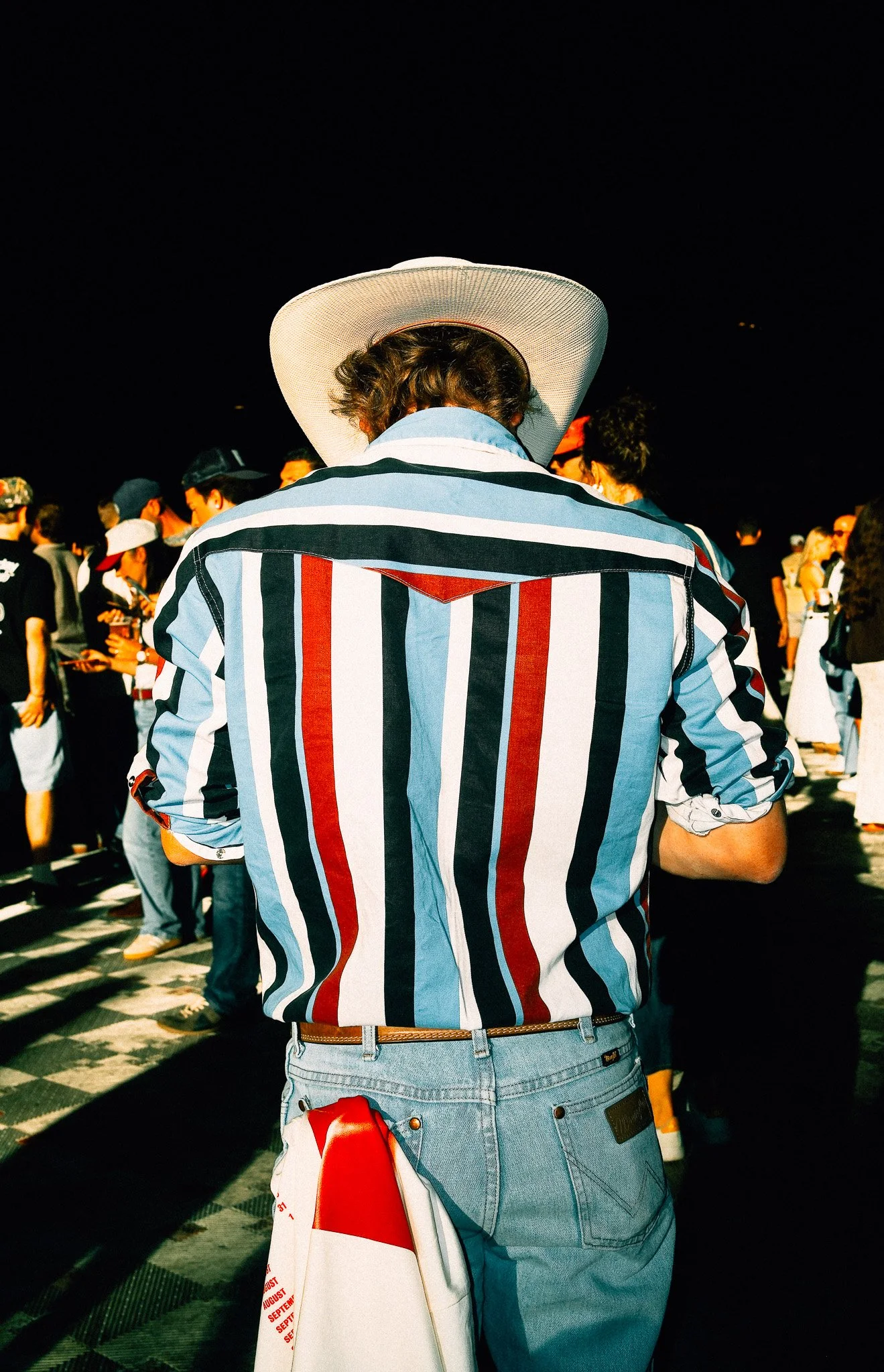
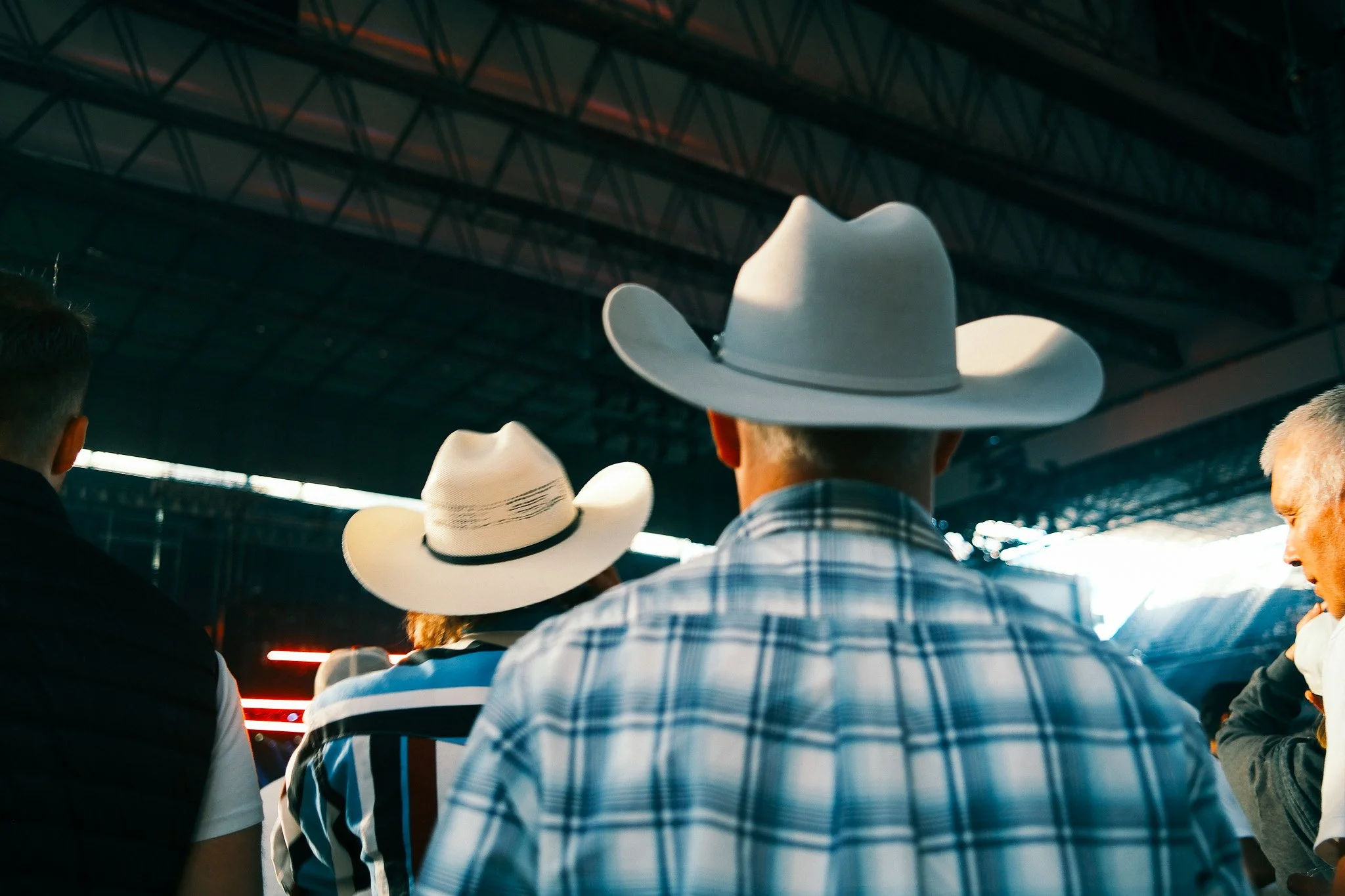
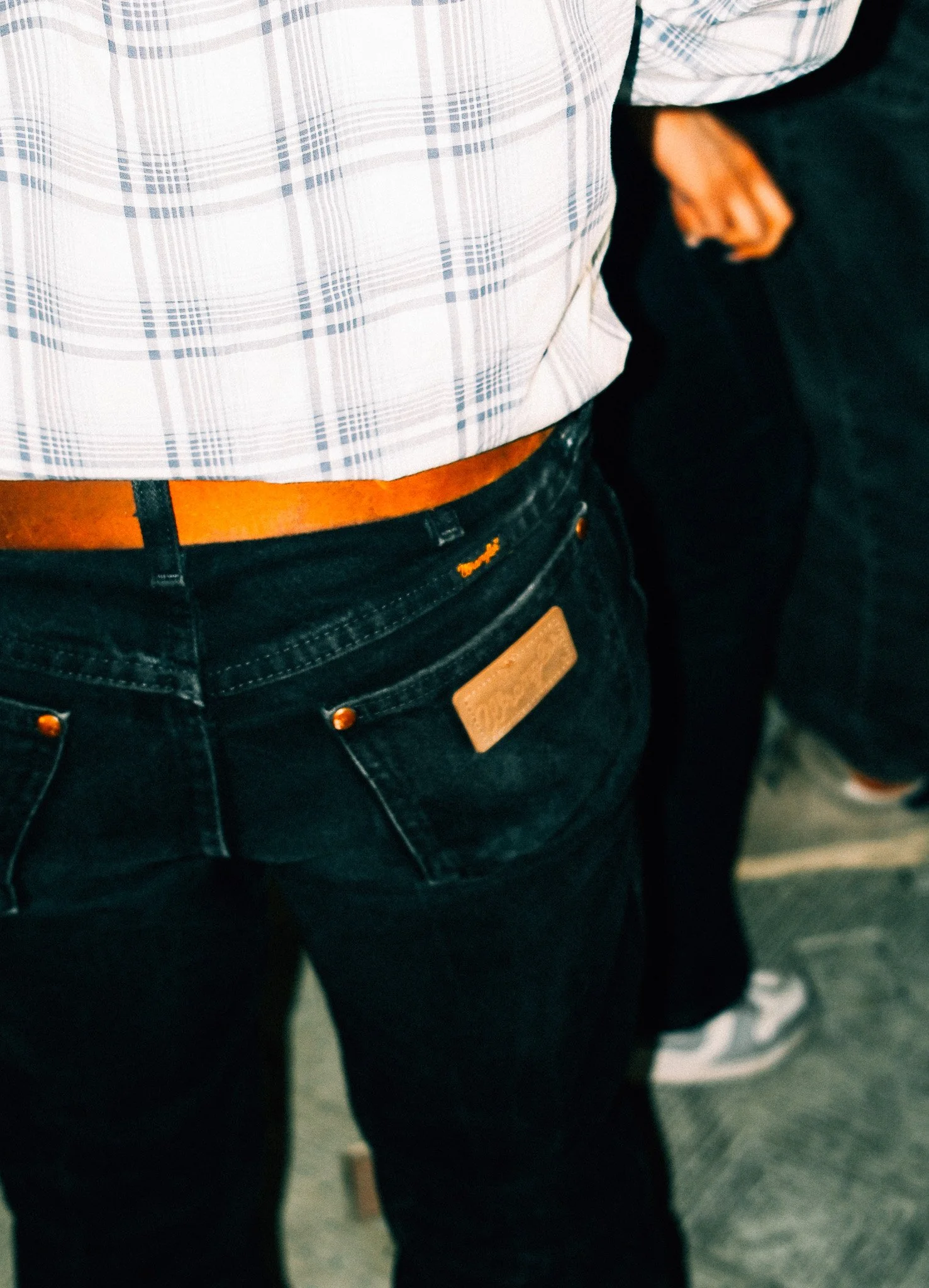
The sun bathes Copenhagen in a golden light as the first 4x4 pickups roll through the city. In the truck beds sit Scandinavian cowboys shoulder to shoulder, hats pointed toward the sky and beer cans catching the afternoon sun. Wrangler jeans, boots, and tucked-in shirts fill the streets around Parken. For a few hours, Denmark is no longer Denmark.
For a few hours, we are somewhere else. We are heading south.
Maybe down Broadway in Nashville. Maybe through dusty neighborhoods in Austin where the evening heat still lingers between the buildings. Maybe on a gravel road somewhere in Oklahoma where the radio is playing too loud and nobody really knows where the road leads.
It is Zach Bryan hysteria. And for once, the hype feels completely justified.
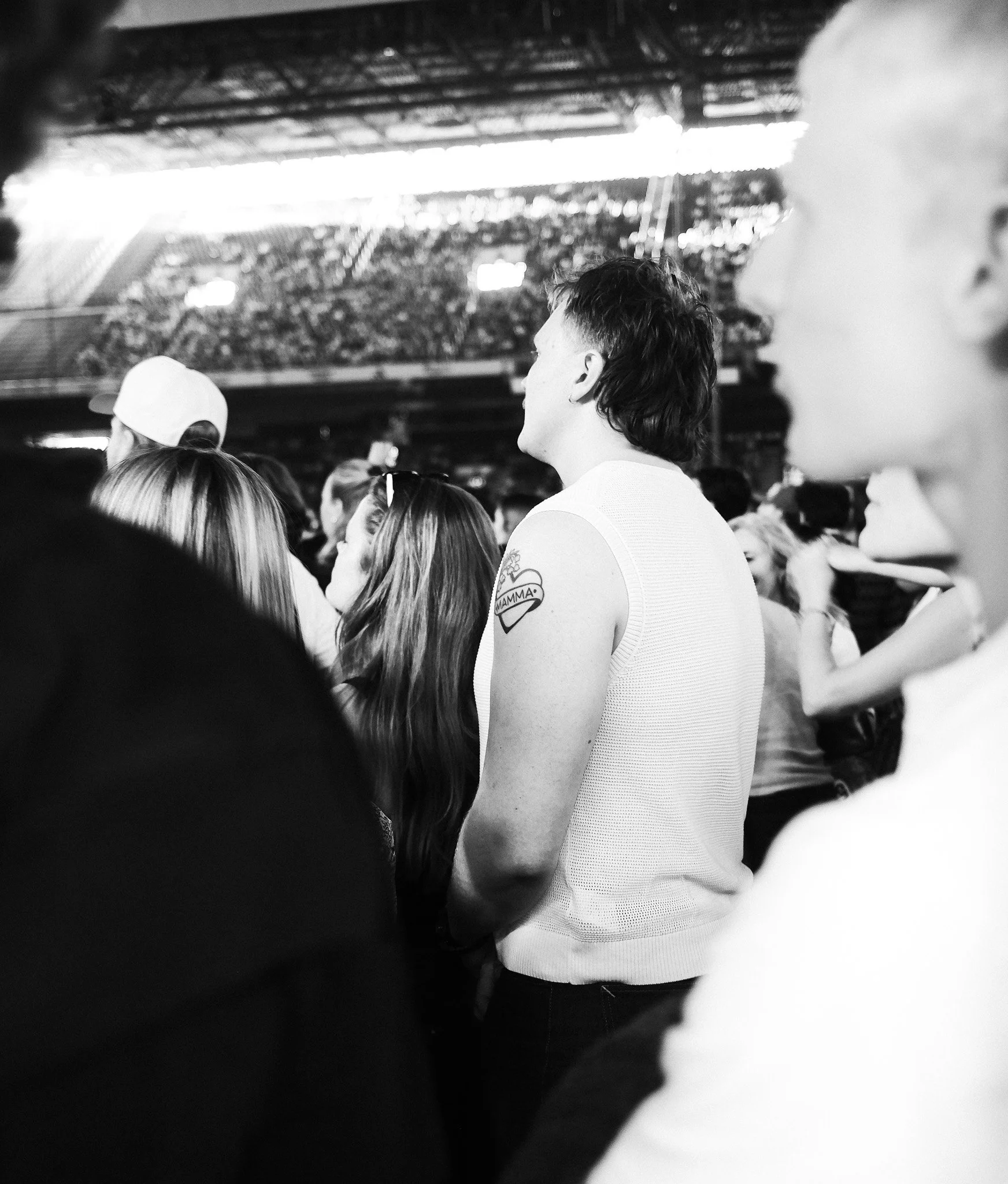
As you approach Parken, it feels as though the entire city has decided to play along with the story. Copenhagen is dressed up. Not dressed as something else. There is an important difference there. This is not about costumes or caricatures, but about people who have found a home in the aesthetic and culture that Zach Bryan represents. Young couples, retirees, students, and families. Everyone has found their own way to meet the evening.
Everyone is heading toward the same destination. Everyone wants to be part of it.
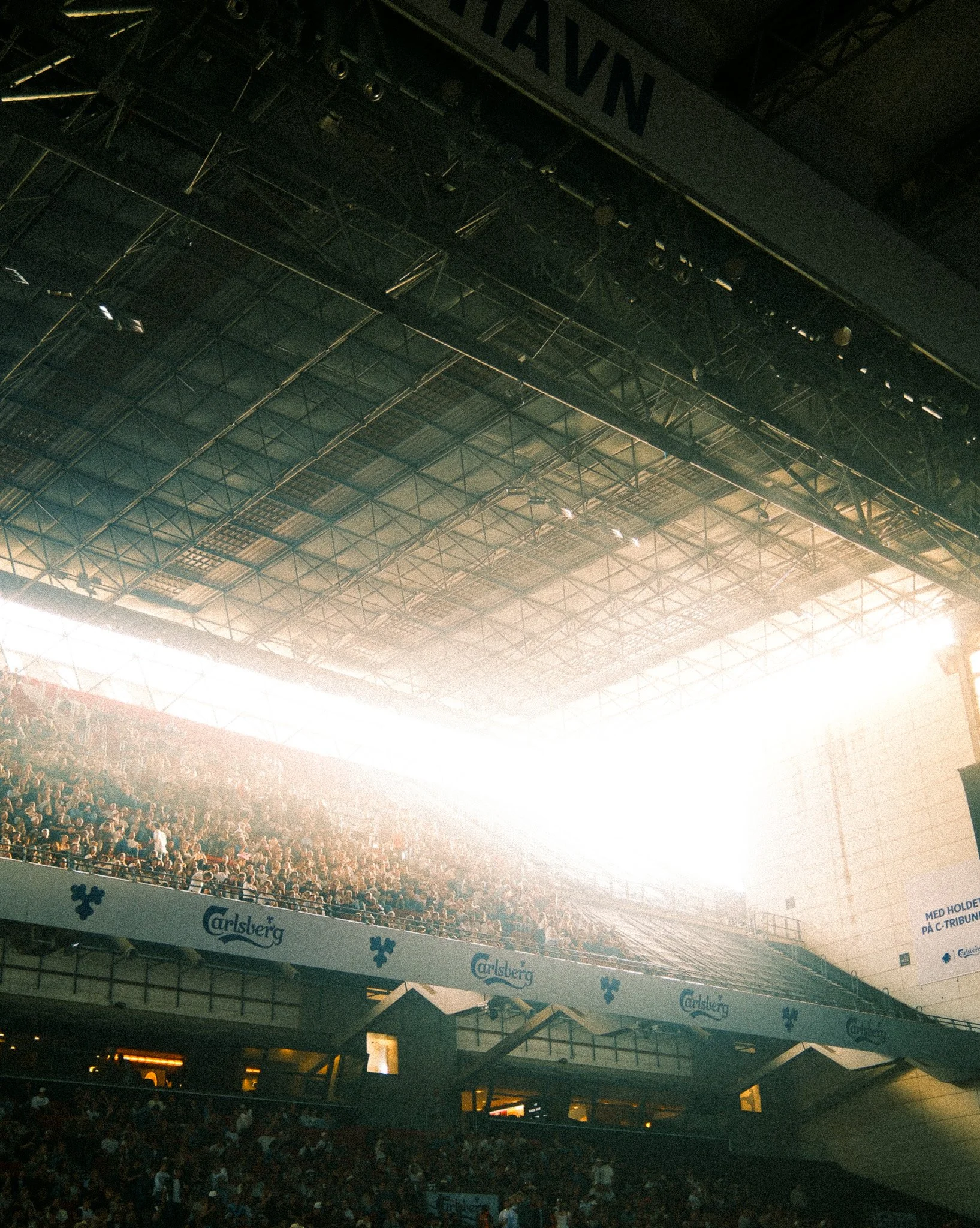
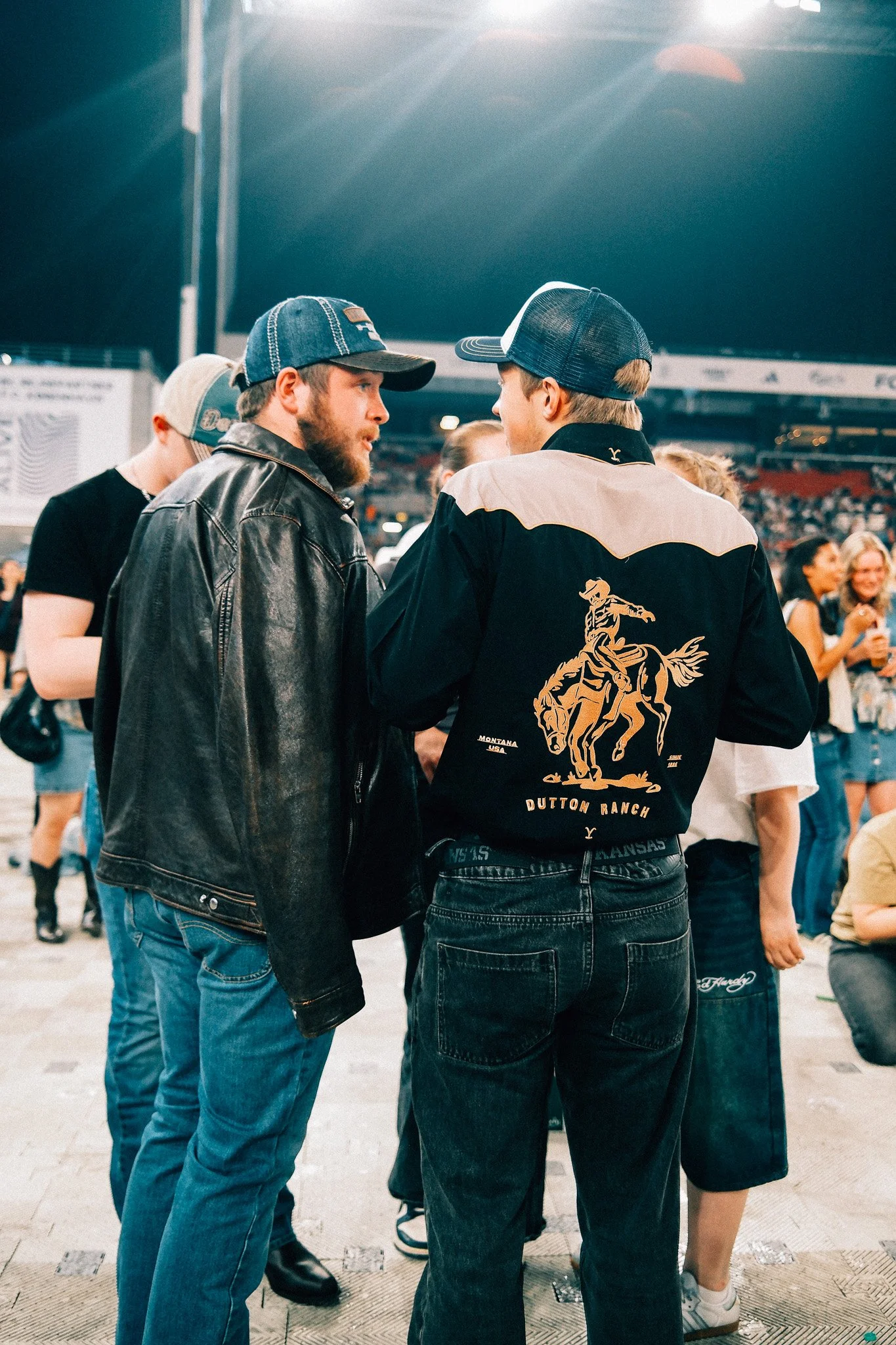
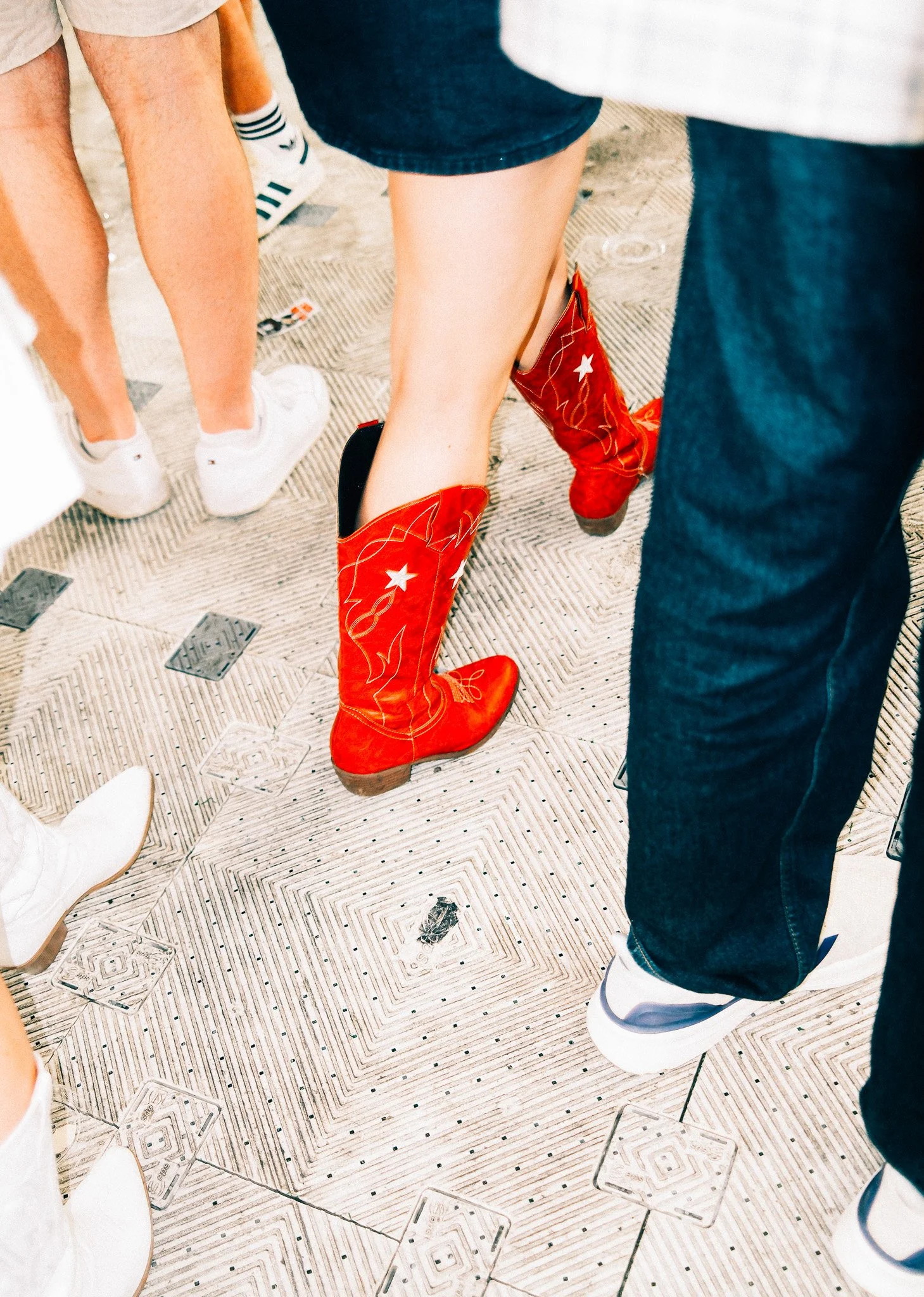
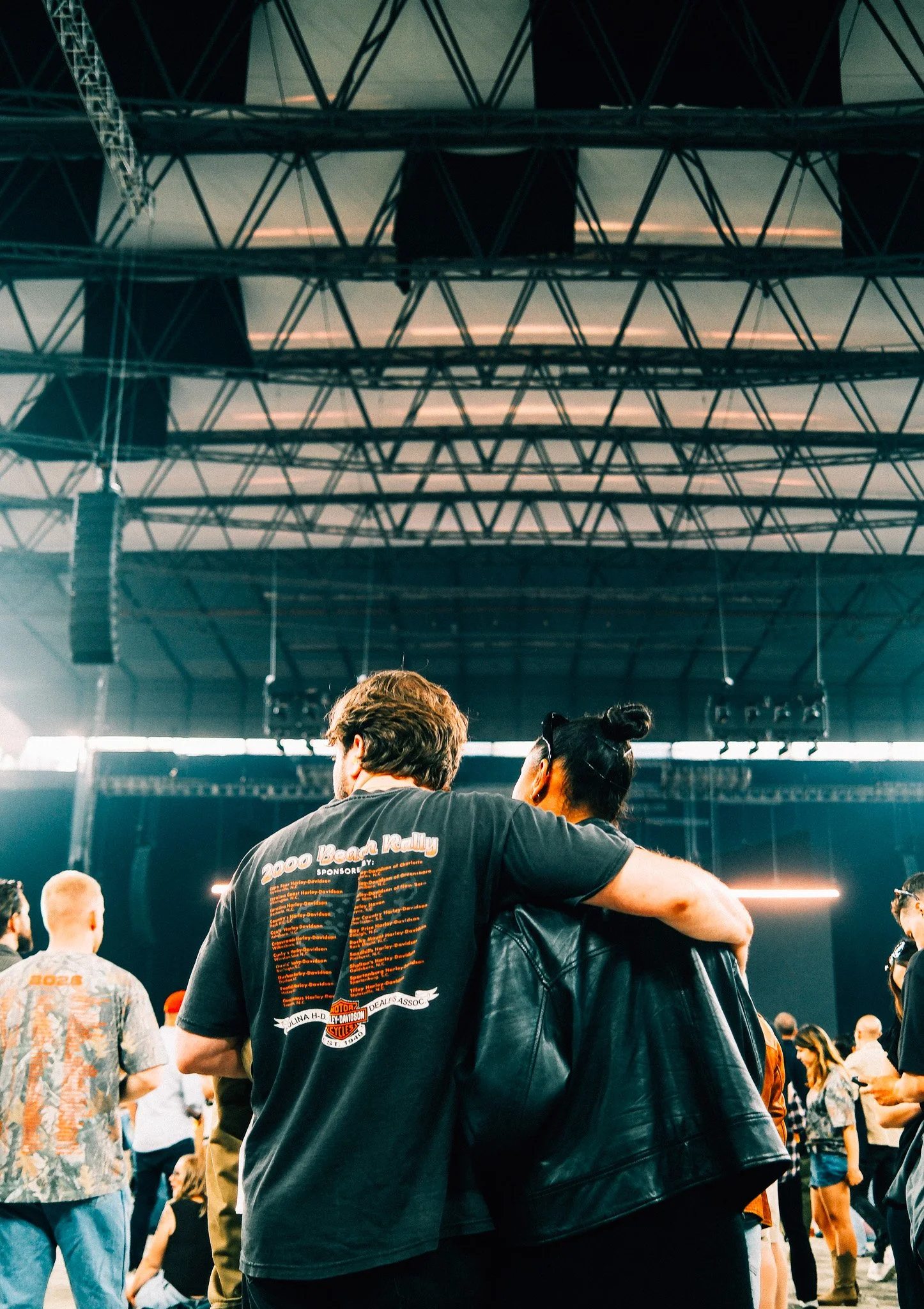
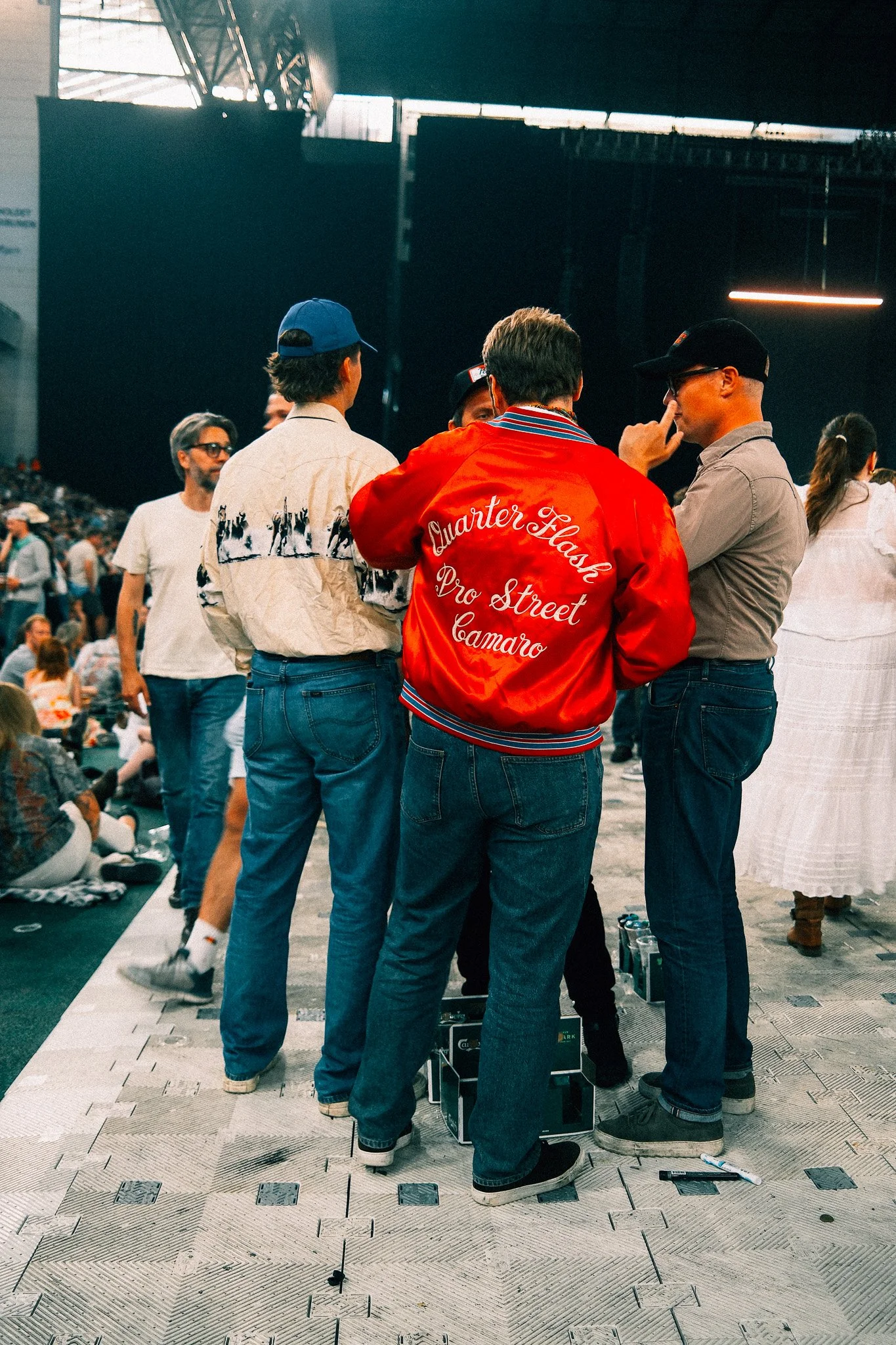
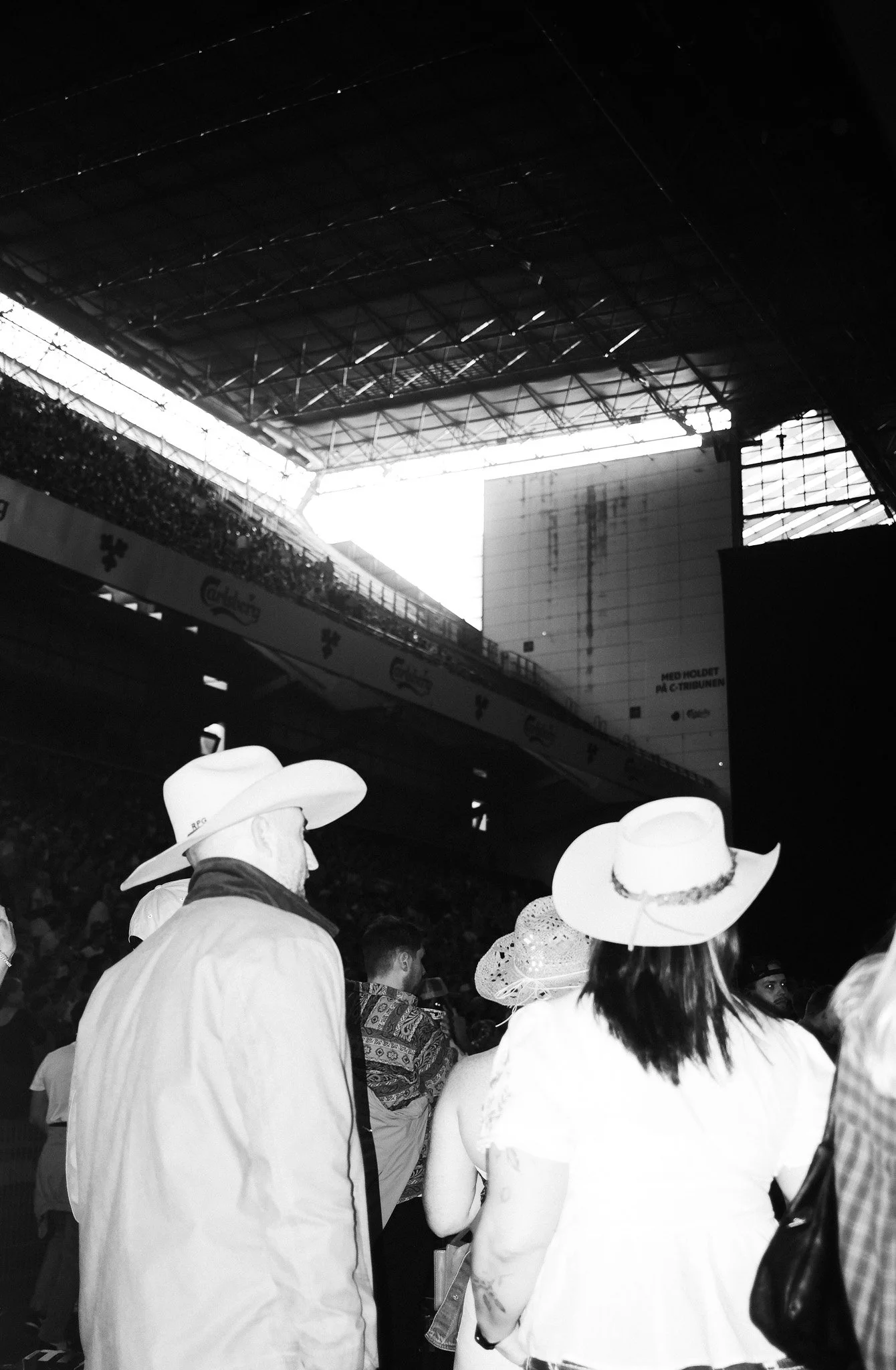
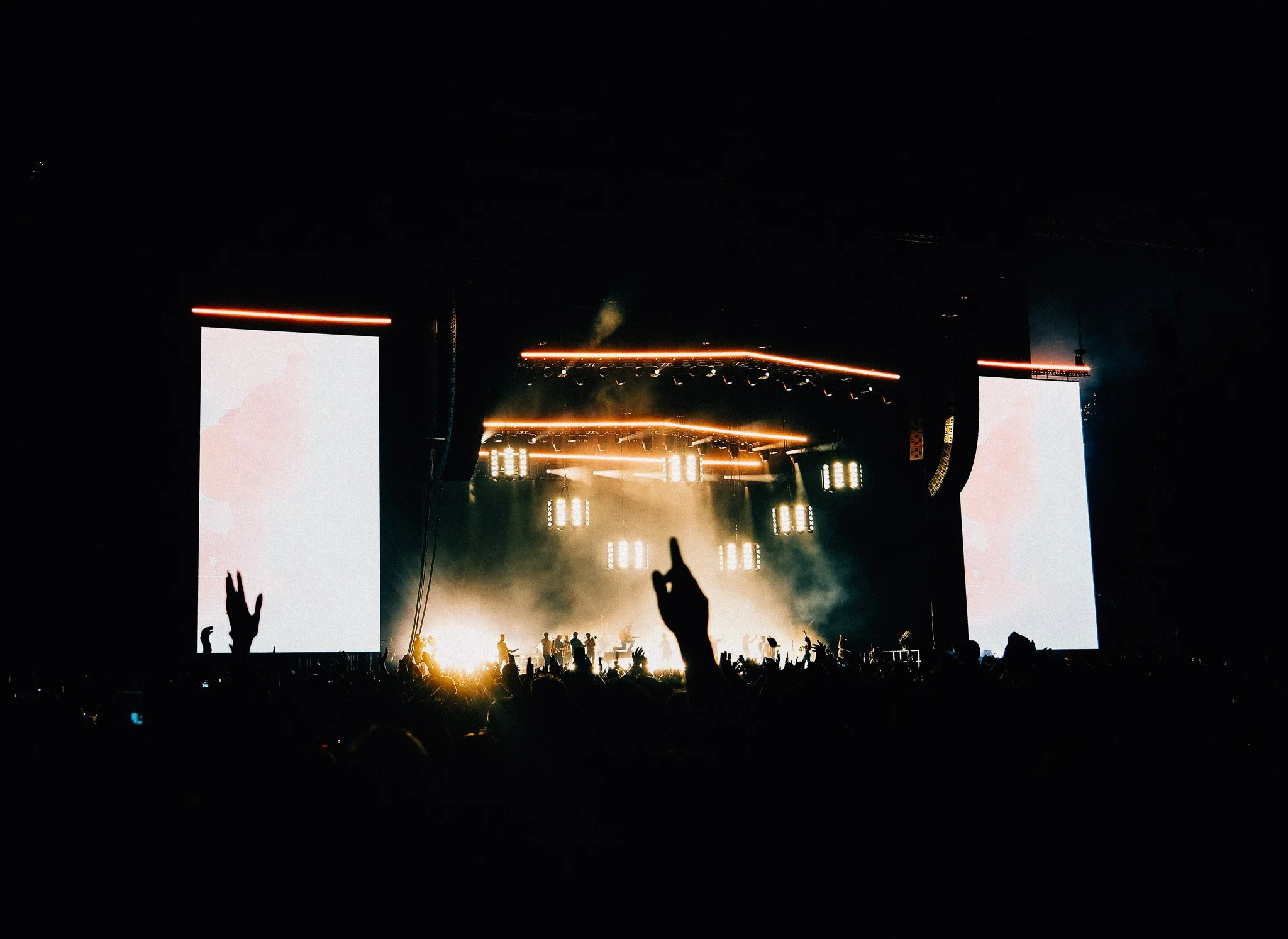
Inside Parken, the roof is still closed, yet the light finds its way in. Sunbeams seep through the openings as if they, too, are trying to get inside for a glimpse of the man from Oologah, Oklahoma. Seagulls circle above the stadium and become an unexpected part of the scenery. They cross through the light, searching for their own ways in, and soon become as natural a part of the show as the musicians on stage.
And it is right there that the evening begins to find its magic. Because the staging and the music go hand in hand. They engage in their own duel with one another. The summer sky against the stage lights. The seagulls against the violins. The sunset against the pedal steel guitar. Everything works together.
When Kings of Leon’s “Back Down South” blasts through the speakers, the cheers rise immediately. Beer flies through the air in the golden evening light, and all of Parken suddenly feels like one giant pickup headed somewhere. Nobody really knows where. But everyone wants to come along.
Then he arrives.
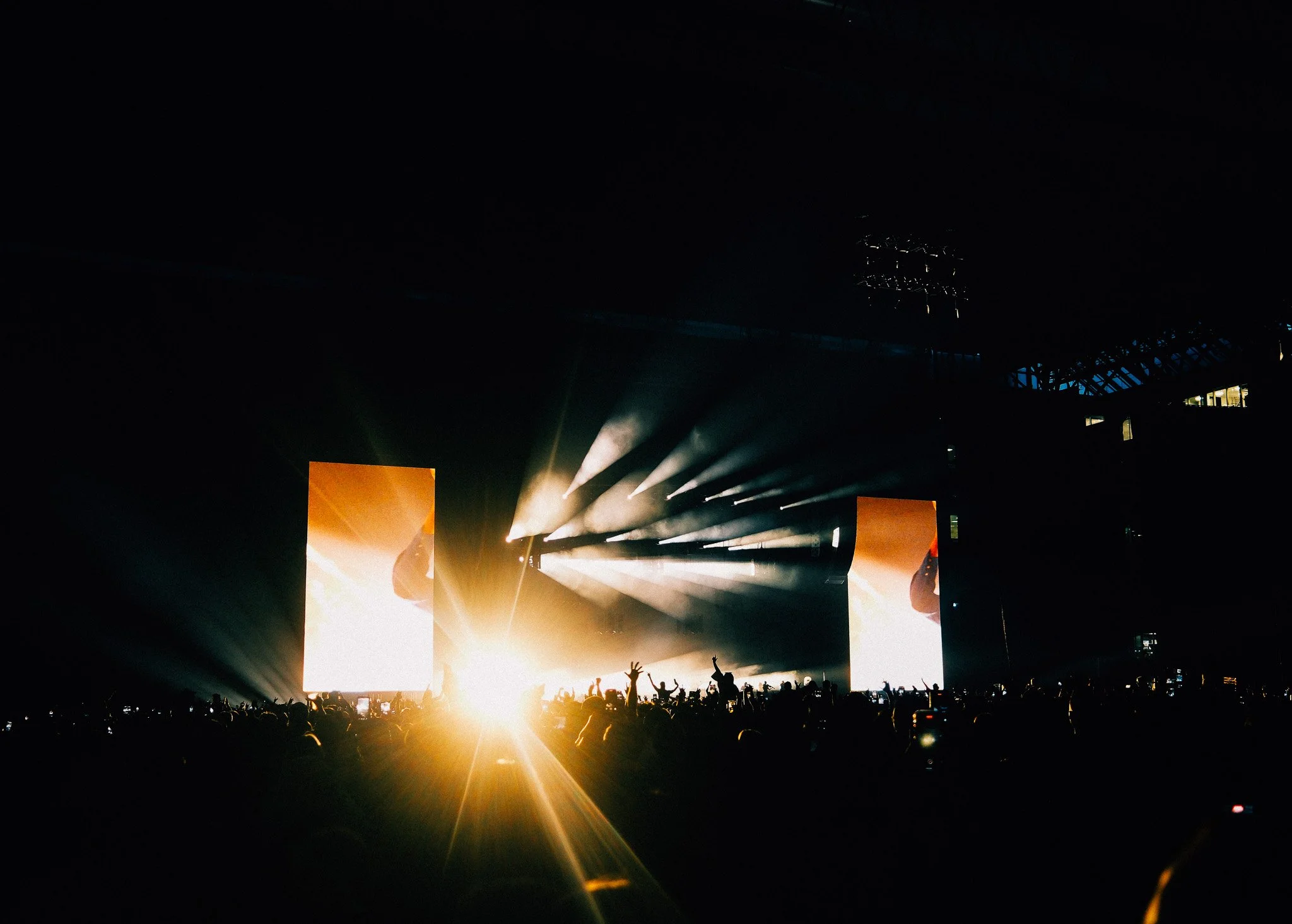
“Overtime” opens the night. Suddenly, it feels as though the roof disappears.
The seagulls become part of the concert. The summer sky takes its place above the stage. And the crowd responds instantly. This is not going to be an ordinary arena show. It is going to be a rodeo.
What makes Zach Bryan so fascinating is that he still manages to feel human amid all the success. In just a few years, he has gone from Oklahoma to becoming the face of alternative country around the world. Expectations are enormous. And yet he delivers.
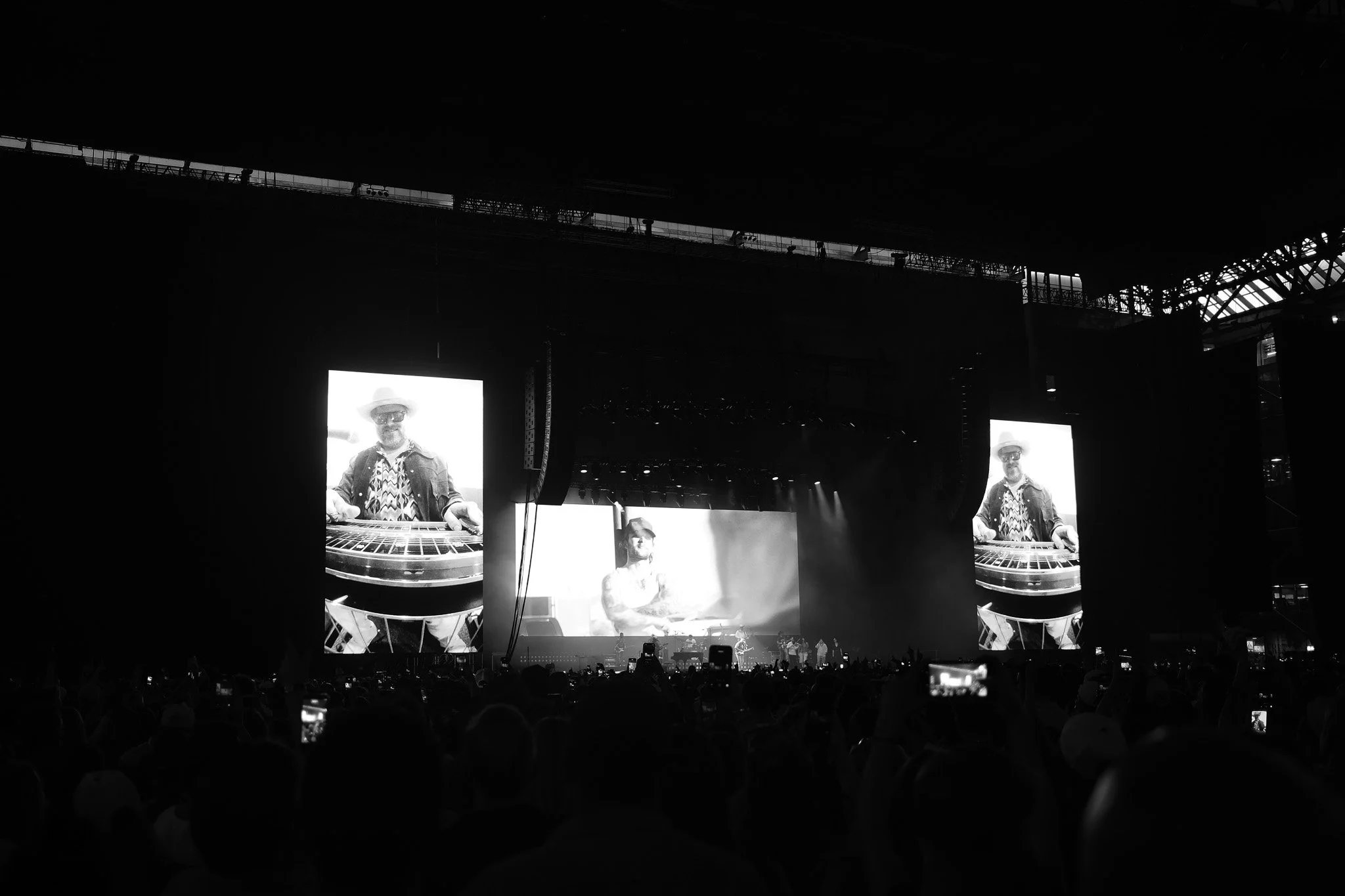
The sound is nearly perfect. Every instrument has room to breathe. The trumpets. The violins. The pedal steel guitars. The drums. The bass. The guitars. The musicians around him are not just skilled; they are geniuses of their craft. Together, they build a sonic landscape so warm and alive that at times it feels tangible. Zach himself stands steady at the center of the storm.
Confident. Precise. Professional. Perhaps a little too professional.
Because somewhere during the evening, there is also a slight longing for more. More banter. More spontaneity. More of the man behind the songs. The audience is hungry. They keep singing long after the choruses have ended. They invite him in again and again. And sometimes you wish he had invited them back a little more. As if you were sitting in a bar in El Paso long after closing time and someone still had a guitar in hand.
Because he can do that. You know he can. He just holds back a little. But perhaps that is also part of Zach Bryan. Instead, he lets the songs speak.
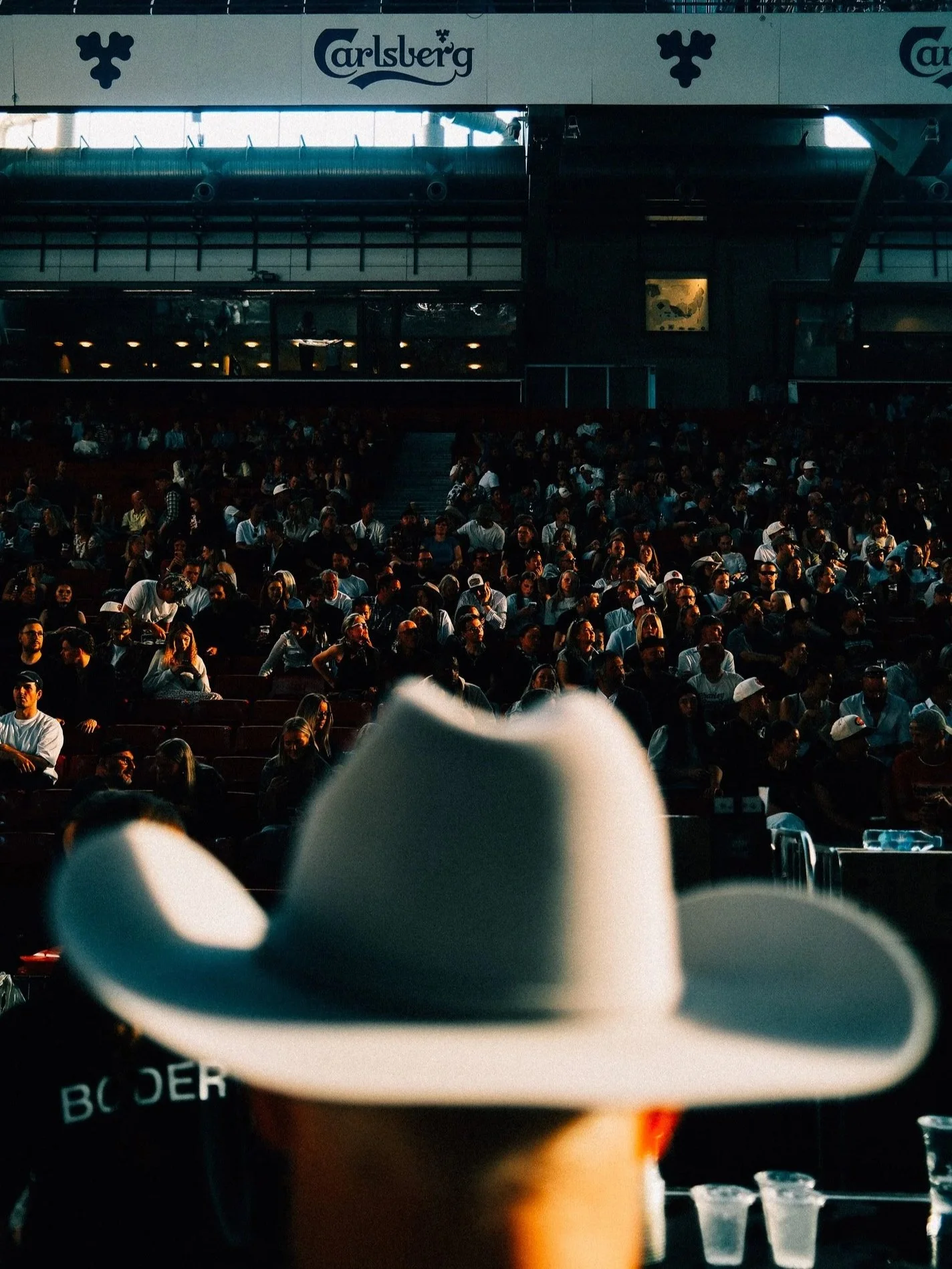
And the songs speak loudly.
“Dawns” creates the evening’s first major goosebump moment. The singalong bounces off the walls and back toward the stage like a wave. “Oklahoma Smokeshow” captures the crowd immediately. And when “Something in the Orange” finally arrives, the arena explodes in light. Thousands of phones illuminate Parken. Like fireflies over a summer meadow. Like the last golden hour over Oklahoma. It is beautiful. Almost painfully beautiful.
When “Pink Skies” then rolls over the audience, it feels as though everything falls into place. And that is when you truly understand why Zach Bryan has grown so quickly. Sure, there are songs that move through similar melodic landscapes. The same handclaps. The same tones. The same wistful movement between verse and chorus. But it does not really matter.
Because the audience loves it. And sometimes it is precisely that familiarity that makes the music hit so hard. It is music that does not try to be smarter than it needs to be. It simply wants to be felt. And it is. The evening continues like one long rush. Not a single second feels long. Not a single song feels out of place. The arena sings its way through the setlist together with him.
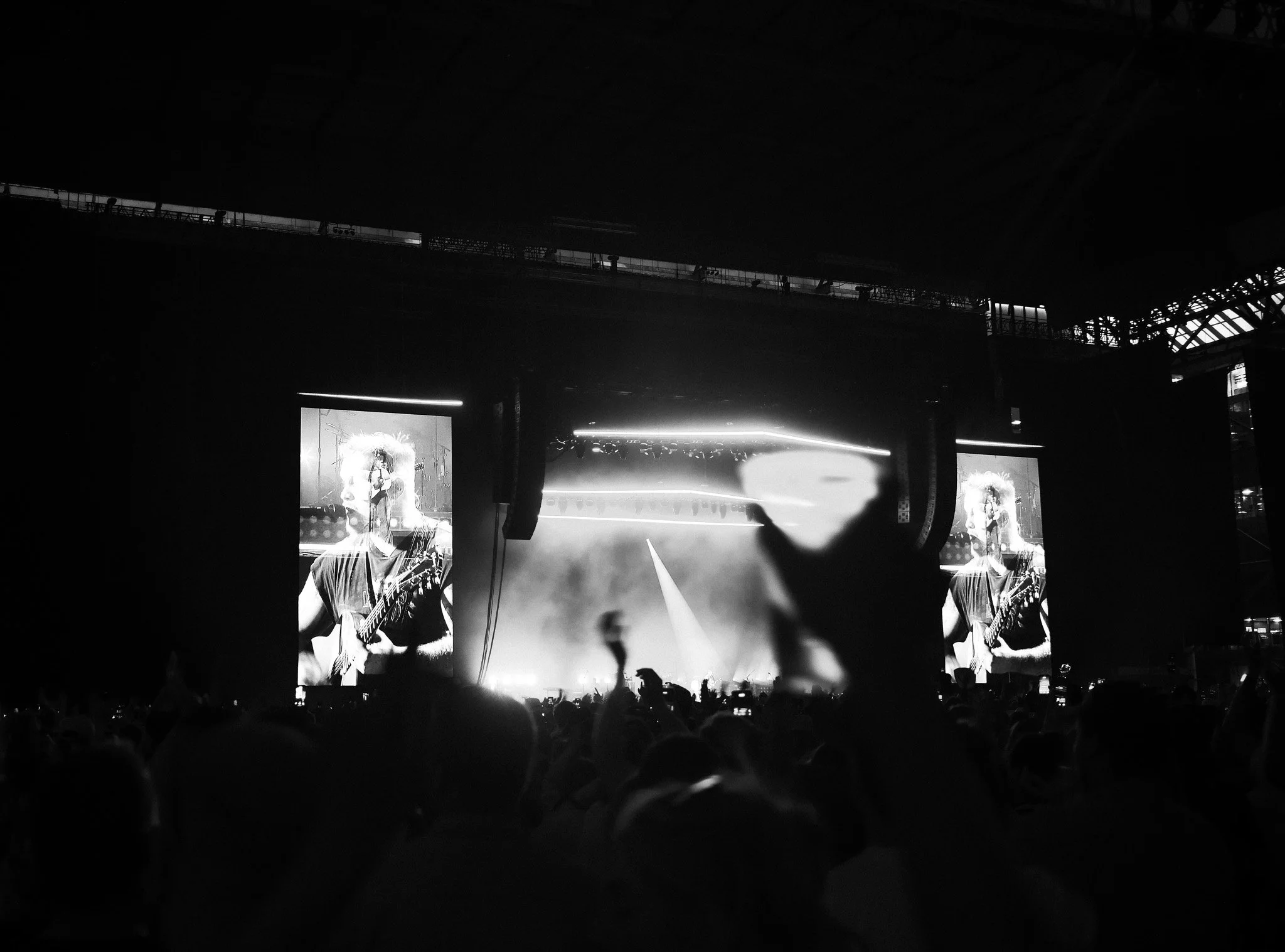
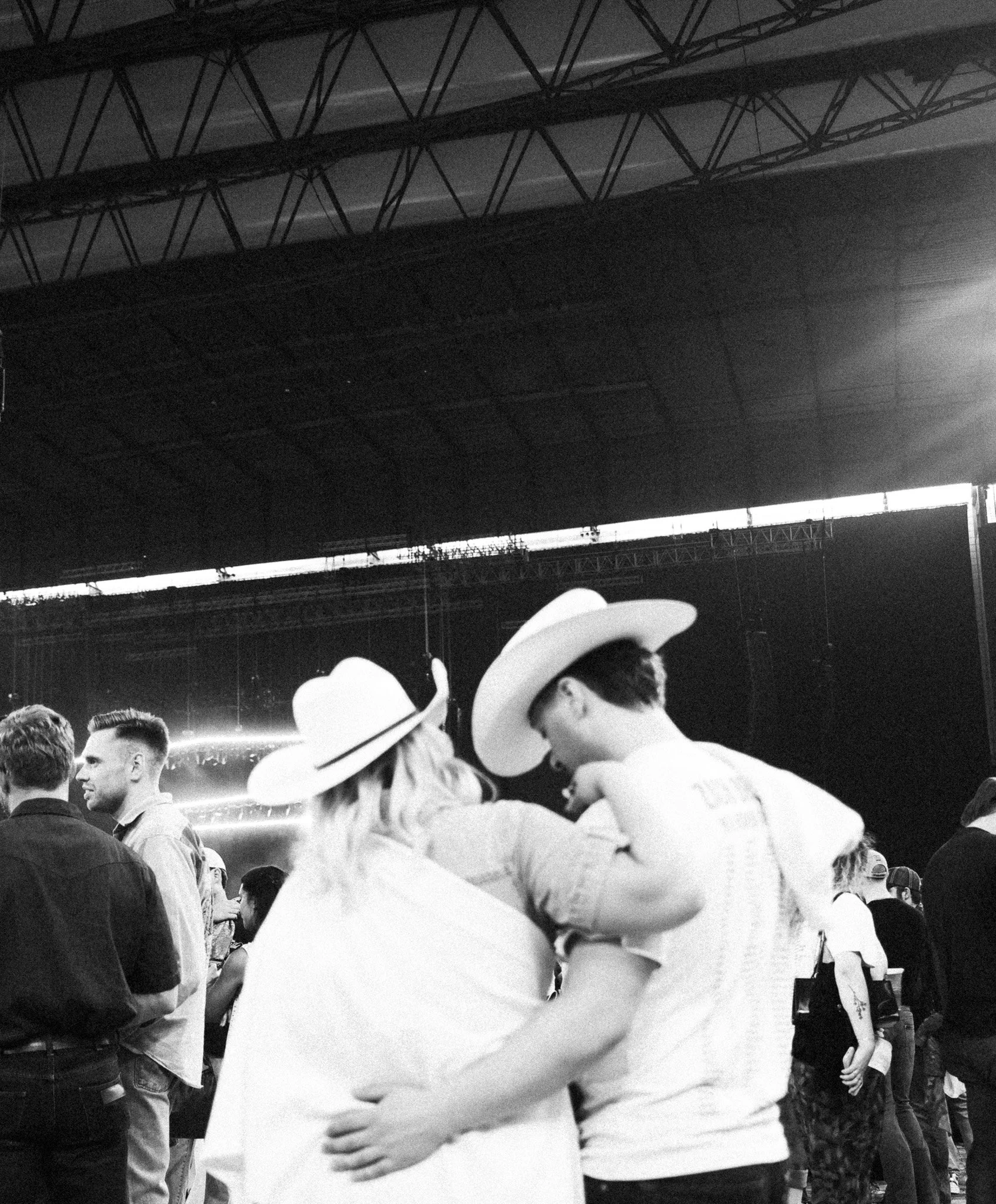
But it is during the encore that everything explodes. After an hour and a half of music, only “Revival” remains. Fifteen minutes later, it feels as though the world has changed. Strangers dance together. People embrace one another. Beer splashes. Hats fly. We scream. We sing. We rise.
And for a moment, there are no strangers left. Only people who happen to be on the same journey. It is one of the most powerful concert finales I have seen at an arena show in a very long time.
When “Revival” finally fades away, nobody wants to go home. Nobody wants the journey to end.
Because for one hour and forty-five minutes, we have not been at Parken in Copenhagen. We have been somewhere else. We have traveled through Oklahoma, Tennessee, Texas, and back again.
We have lived in Zach Bryan’s world. A world filled with long roads, open skies, heartbreak, friendship, and freedom. A world where dreams still have room to exist. And perhaps that is exactly why his music means so much to so many. Not because it takes us somewhere new.
But because it reminds us of places we long to return to, even if we have never been there. And when the lights come up and the crowd slowly drifts out into the mild June night, you can see it everywhere. In the looks. In the smiles. In the unsteady steps back toward the city.
Cowboy Town Copenhagen is beginning to dissolve. But only for tonight.
Because somewhere out there, the rodeo continues. And we are still sitting in the same pickup.
Together. On our way toward the next dream.